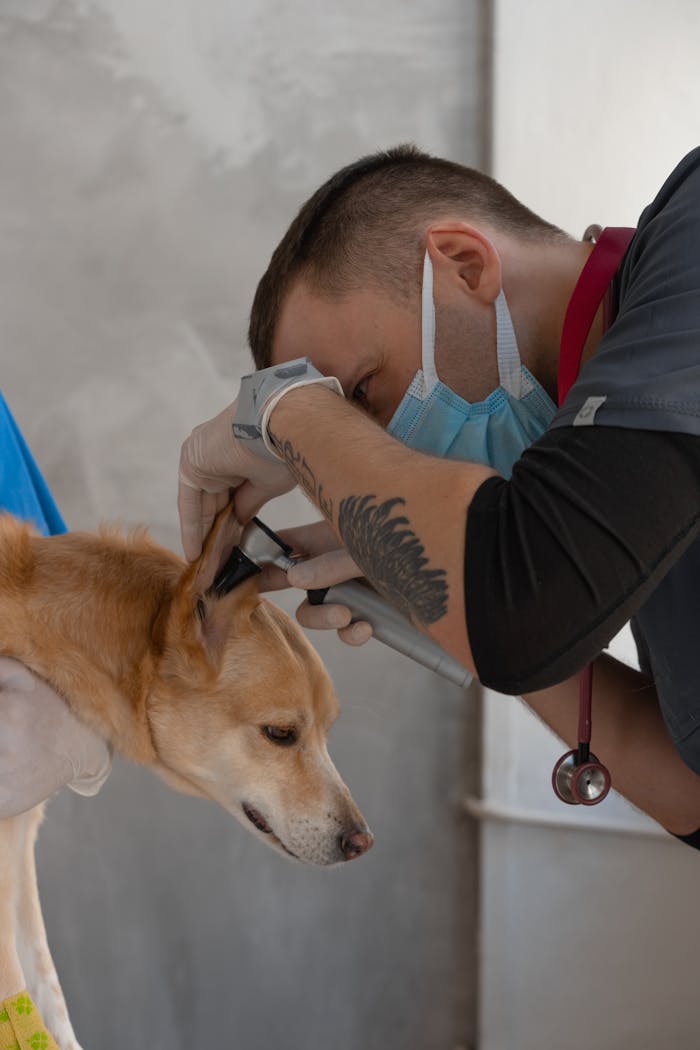

An effective adoption program pairs animals with suitable families and prepares both for a smooth transition. Rescue organizations and veterinary teams play key roles in assessing animals, screening adopters, and supporting placements to reduce return rates and improve welfare. This post outlines best practices for adoption readiness, adopter screening, matching, and post-adoption support.
Assessing adoption readiness Before a placement, evaluate the animal’s medical, behavioral, and environmental needs:
- Medical clearance: Spay/neuter status, vaccine up-to-date, parasite control, and a clear aftercare plan. Address chronic conditions—outline management needs and costs to potential adopters.
- Behavior assessment: Conduct structured, low-stress behavior evaluations to gauge sociability, resource guarding, reactivity, and tolerance for handling. Use these results to suggest appropriate homes (e.g., experienced owner, no small children, single-pet household). Document triggers and training recommendations.
- Enrichment and training baseline: Animals that receive basic obedience, crate training, and desensitization to common stimuli tend to transition more easily. Foster homes play a critical role in this preparation.
Adopter screening and education Thorough, compassionate screening reduces mismatches:
- Application and interview: Ask about experience, household composition, activity level, work schedule, existing pets, and expectations. Use phone or in-person interviews to clarify answers.
- Home checks: For some animals, a virtual or in-person home visit can reveal potential hazards, fencing concerns, or lifestyle mismatches.
- Matching based on lifestyle: Don’t just place animals quickly—match energy levels, training needs, and medical requirements with adopters’ capacities. An active, young dog is not a good match for a sedentary single occupant.
- Education: Provide written and verbal guidance on feeding, exercise, training, emergency contacts, and an adoption contract outlining responsibilities and return policies.
Managing special-needs and high-risk animals
- Full disclosure: Explain medical or behavioral issues honestly. Provide cost estimates for long-term care and discuss local resources (subsidized vet care, trainers).
- Trial foster-to-adopt programs: For animals with uncertain compatibility, offer trial periods to assess fit with support and clear return options.
- Support networks: Partner with trainers, behaviorists, and medical providers to offer adopters professional assistance if issues arise.
Transition planning: preparing animals and adopters
- Pre-adoption counseling: Advise adopters on acclimation tips—keep initial interactions calm, maintain routines, and gradually increase exposure to new environments. Encourage adopters to use confinement and “safe spaces” to reduce overwhelm.
- Veterinary handoff: Provide adopters with full medical records, vaccination schedules, and a recommended vet for rechecks. Include microchip transfer instructions.
- Paperwork and follow-up: Use clear adoption agreements and schedule post-adoption check-ins at 48 hours, 2 weeks, and 1–3 months to troubleshoot issues early.
Reducing returns: proactive strategies
- Realistic expectations: Manage adopters’ expectations about housetraining, separation anxiety, and adjustment periods.
- Behavior support: Offer discounted or short-term training sessions and referrals to positive reinforcement trainers. Behavioral challenges are a leading cause of returns—early intervention helps.
- Financial assistance: Consider limited medical subsidies, waived initial consult fees, or partnerships with low-cost clinics to ease adopter burden.
Community engagement and resources
- Foster programs: Well-run foster networks reduce stress for animals and allow better assessment of behavior in home settings. Provide fosters with training, medical support, and clear guidelines.
- Volunteer training: Educate volunteers on animal handling, enrichment, and realistic adopter communication.
- Partnerships: Work with breed-specific rescues, trainers, and municipal shelters to expand resources and rehoming opportunities.
Ethical surrender and rehoming practices When owners surrender animals, treat them with compassion and aim to reunite when appropriate:
- Reclaim efforts: Hold legally mandated stray hold times, proactively scan microchips, and use social media and local networks to seek reunification.
- Counseling and resources: Offer surrender alternatives like behavior help, temporary foster, or access to low-cost veterinary care to prevent unnecessary relinquishment.
Measuring success and continuous improvement Track metrics like adoption rates, return rates, medical and behavioral outcomes, average length of stay, and adopter satisfaction. Use data to refine screening, enrichment, and medical protocols. Regularly solicit adopter feedback and incorporate lessons into staff training.
Conclusion A thoughtful adoption program balances the needs of animals and adopters through assessment, education, and ongoing support. By preparing animals medically and behaviorally, screening and educating adopters, and offering post-adoption resources, rescue organizations and veterinary teams increase the likelihood of lifelong, loving matches.