
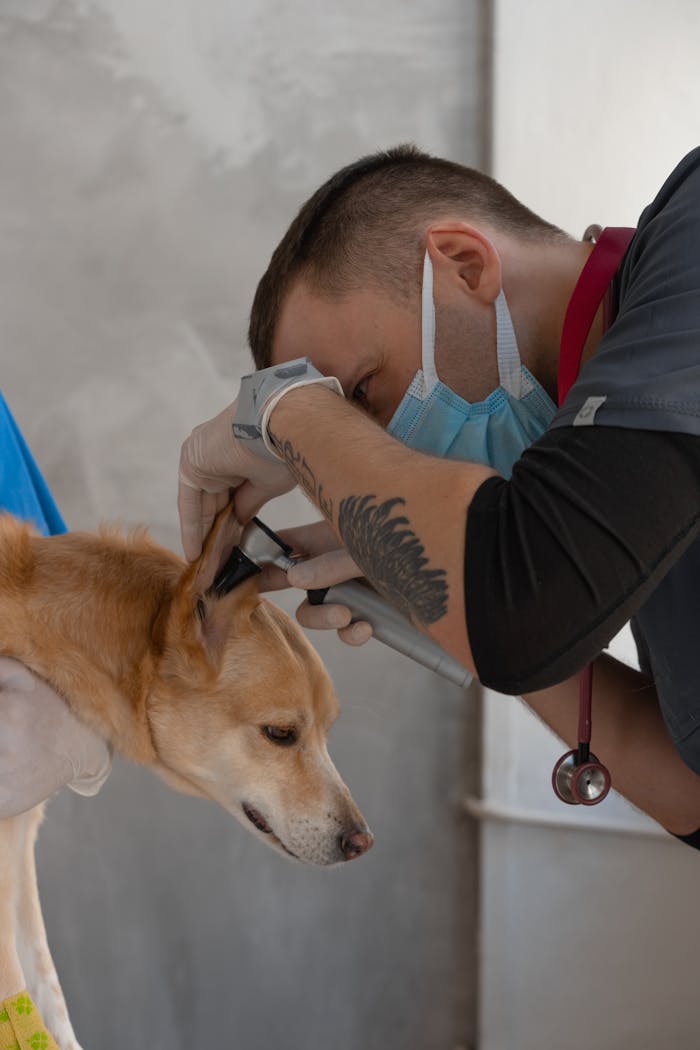
Rescue animals arrive with varied histories: some surrendered from loving homes, others found as strays with unknown pasts. A thorough, standardized approach to health assessment and preventive care is vital for each animal’s recovery, successful placement, and long-term wellbeing. This guide covers intake exams, core preventive protocols, common medical issues seen in rescues, and communication with adopters.
Intake and triage: setting up a reliable first impression When a rescued animal arrives, conduct a calm, efficient intake process:
- Visual assessment on arrival: Note behavior, body condition, obvious injuries, and signs of illness (coughing, nasal/ocular discharge, diarrhea, limping, lethargy).
- Triage priority: Immediately isolate animals with contagious signs; prioritize urgent cases—trauma, severe dehydration, difficulty breathing—for immediate veterinary care.
- Record basics: Microchip scan, age estimate, sex, weight, vaccination history if available, observed behavior, and any owner-provided history.
Comprehensive medical exam A full physical exam by a veterinarian establishes baseline health and uncovers hidden problems:
- Full physical: Heart/lung auscultation, abdominal palpation, oral exam, musculoskeletal check, skin/ear/eye evaluation, and body condition scoring.
- Diagnostics as needed: Fecal flotation for parasites, skin scrapings, ear cytology, CBC/chemistry if ill or older, urinalysis, and FeLV/FIV testing for cats or heartworm testing for dogs in endemic areas. Radiographs or wound exploration when trauma is suspected.
Core preventive care and treatment protocols Rescue settings benefit from standardized care bundles to ensure consistent health outcomes:
- Vaccination: Administer core vaccines appropriate to species and regional risk—e.g., canine distemper/parvo/parainfluenza/hepatitis and leptospirosis as indicated; feline panleukopenia, calicivirus, rhinotracheitis, and rabies per schedule. Use modified schedules when animals are ill or recovering.
- Parasite control: Deworm (broad-spectrum anthelmintic), flea/tick prevention, and appropriate external parasite management. For dogs in heartworm regions, test and start prevention once clinically stable.
- Spay/neuter: Aim to sterilize before adoption when medically appropriate; for young, underweight, or medically compromised animals, postpone until safe and provide temporary foster care.
- Dental care: Assess for periodontal disease or broken teeth that cause pain and interfere with feeding. Address severe dental disease promptly.
- Nutrition: Provide species- and life-stage-appropriate diets. Address malnutrition gradually to avoid refeeding complications; monitor weight and muscle condition.
- Behavior and enrichment: Begin low-stress handling, enrichment, and baseline behavior assessment to reduce kennel stress and identify training needs.
Common conditions in rescue populations
- External/internal parasites: High prevalence in strays; treat early and educate adopters on follow-up.
- Skin disease: Mange, allergies, and bacterial or fungal infections are common and must be diagnosed (skin scraping, fungal culture) and treated.
- Respiratory infections: Kennel cough complexes in dogs and upper respiratory infections in cats often spread in shelters—prevent via vaccination, isolation protocols, and good airflow.
- Gastrointestinal issues: Parasitic infection, dietary change, or stress-related colitis; manage with diagnostics and supportive care.
- Orthopedic injuries and chronic conditions: Fractures, old injuries, or congenital problems may need surgical or long-term management.
Recordkeeping and adopter communication Clear records improve outcomes and trust:
- Maintain detailed medical charts and discharge summaries for adopters outlining vaccines, medications, follow-up needs, and behavioral observations.
- Provide a clear aftercare plan: rechecks, vaccine boosters, deworming schedules, heartworm prevention timeline, and signs of concern with contact info for emergencies.
- Encourage adopters to register microchips and to maintain continuity of care with a local veterinarian.
When to refer or humanely manage For severe, untreatable suffering or unmanageable zoonotic risk, discuss options ethically with your team and, when appropriate, the animal’s guardian. Decisions should follow established shelter policies and veterinary guidance.
In summary A consistent, humane, and evidence-based health protocol helps rescued animals recover and thrive. Early triage, standardized preventive care, prompt diagnostics for illness, and clear adopter communication are the foundation of successful rescue medicine.